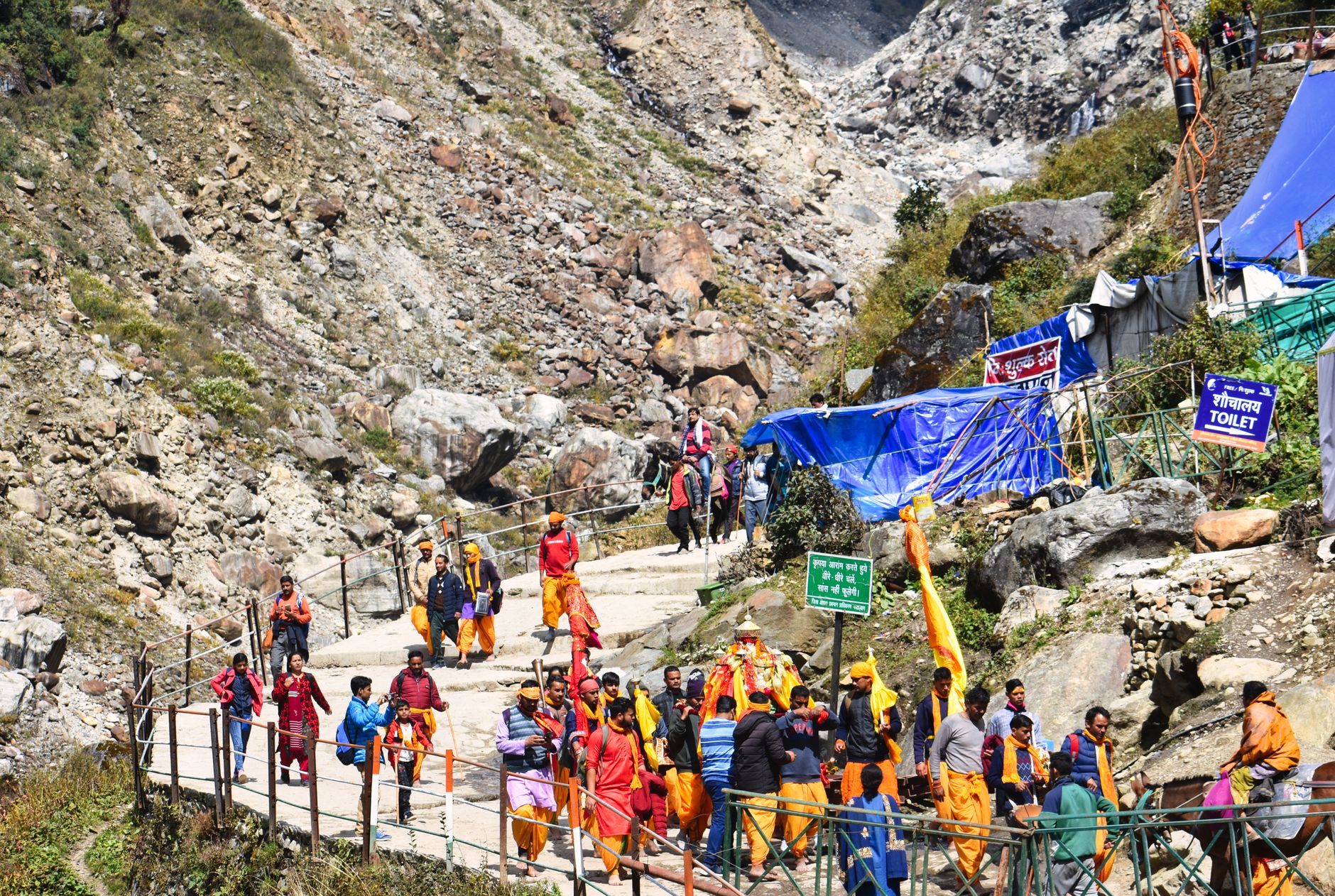
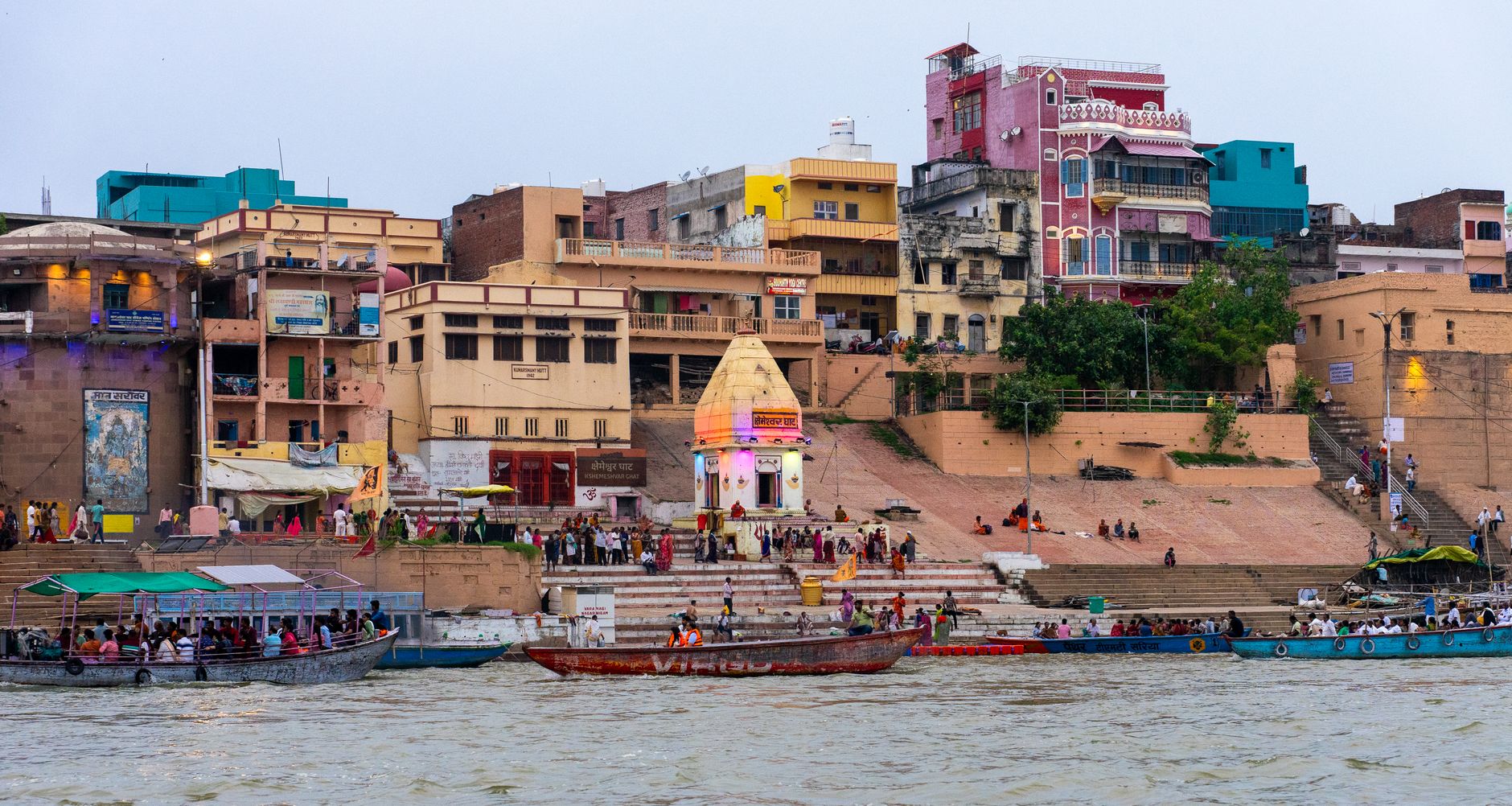
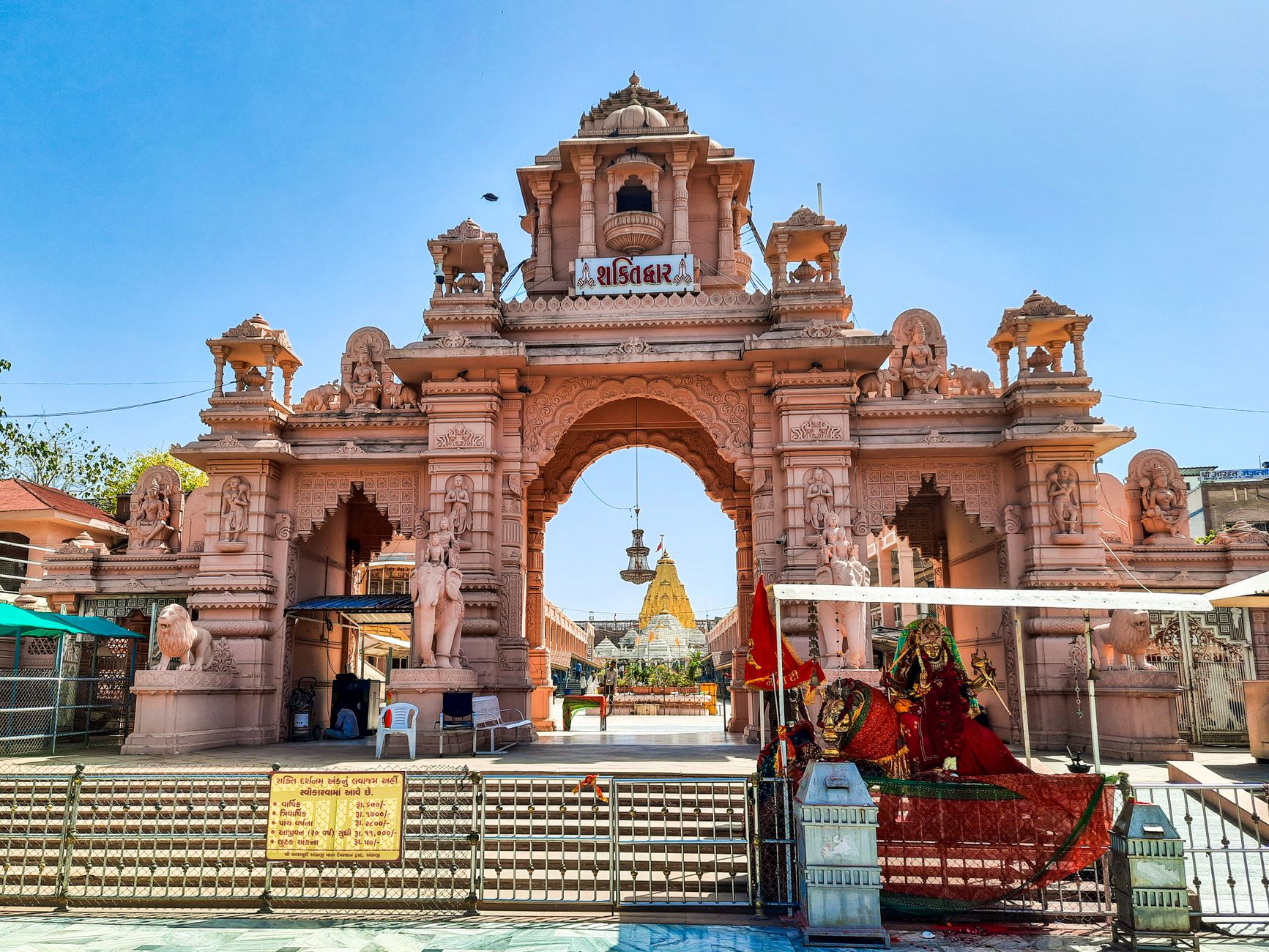
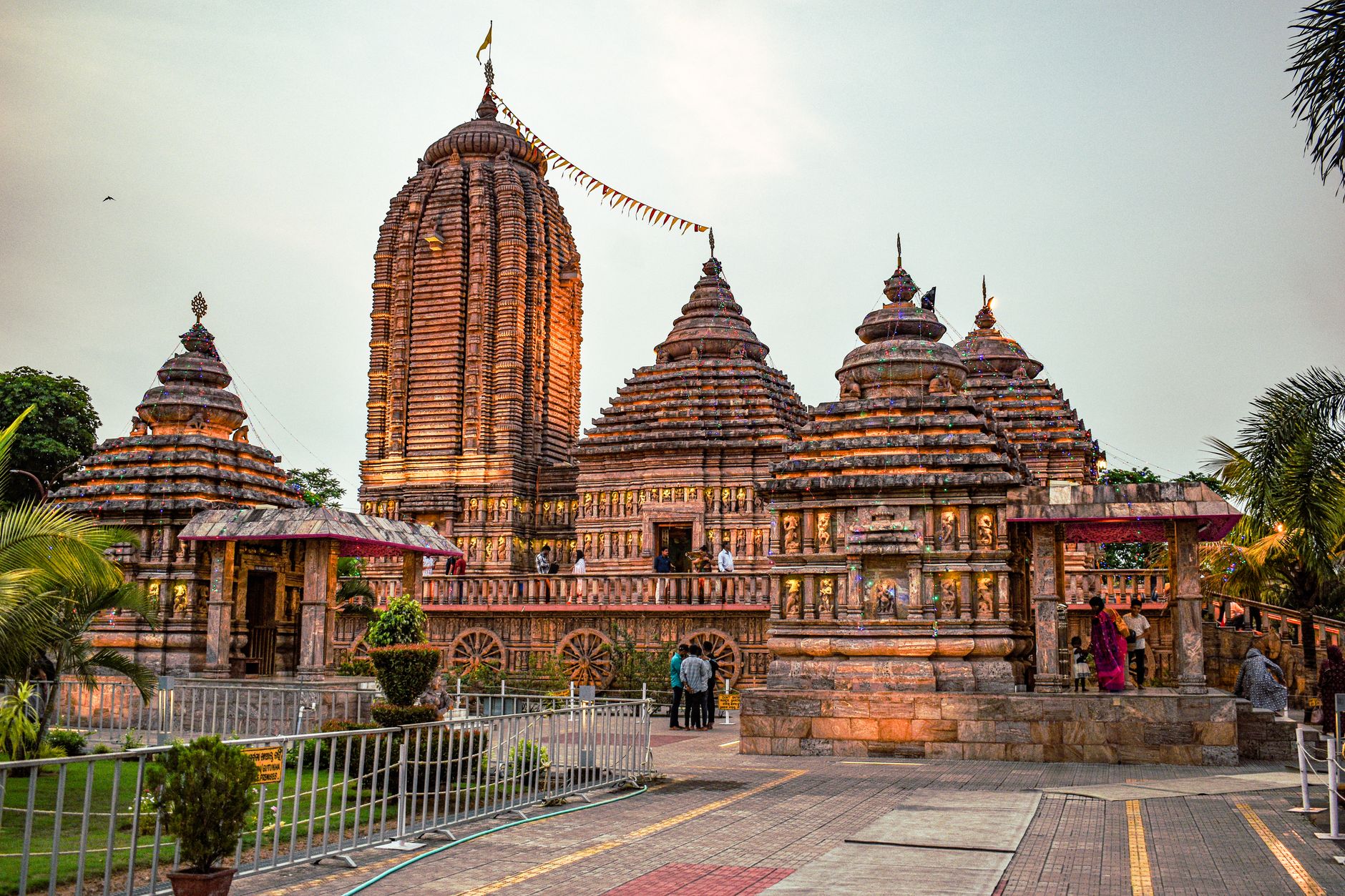
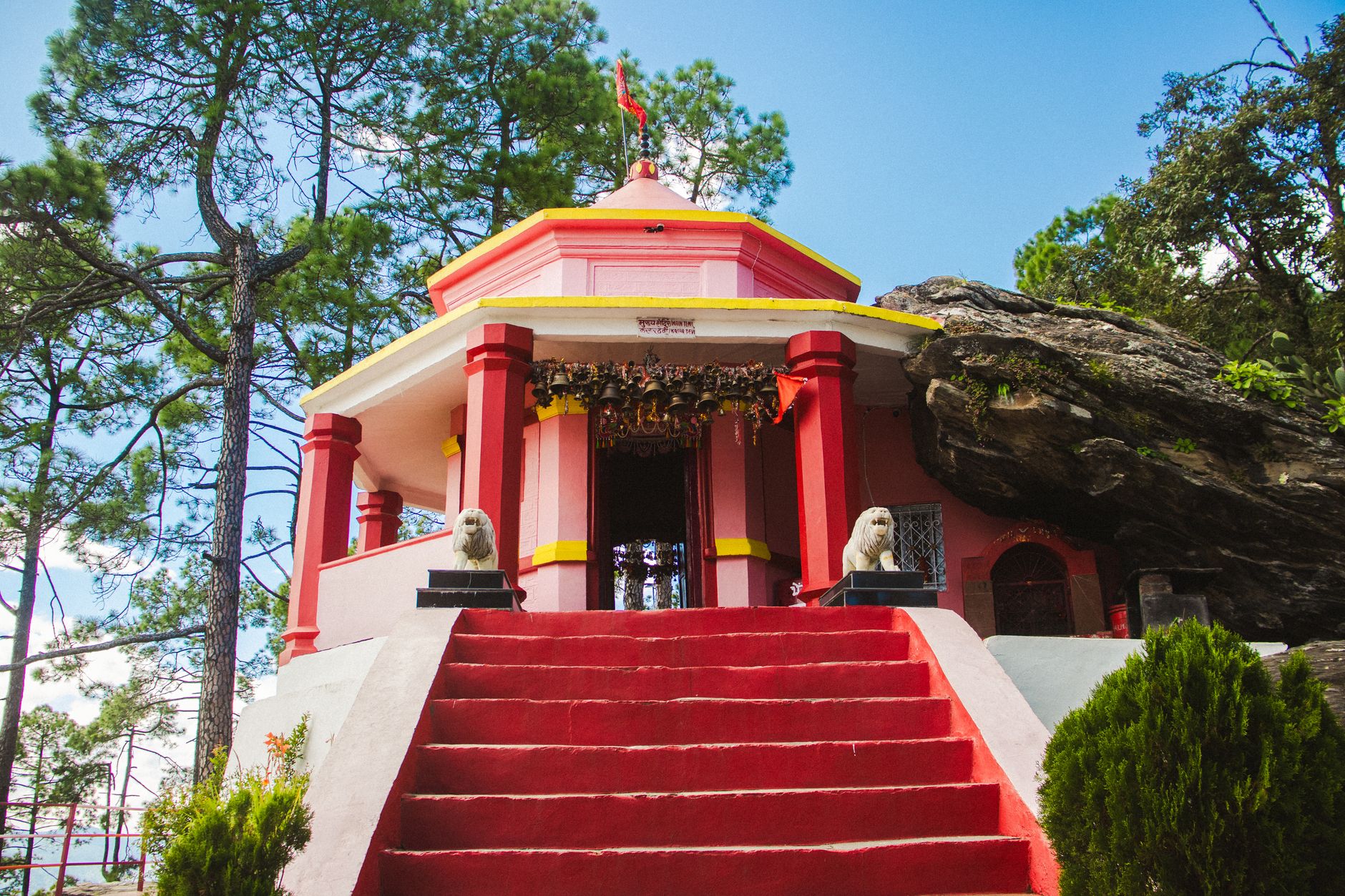
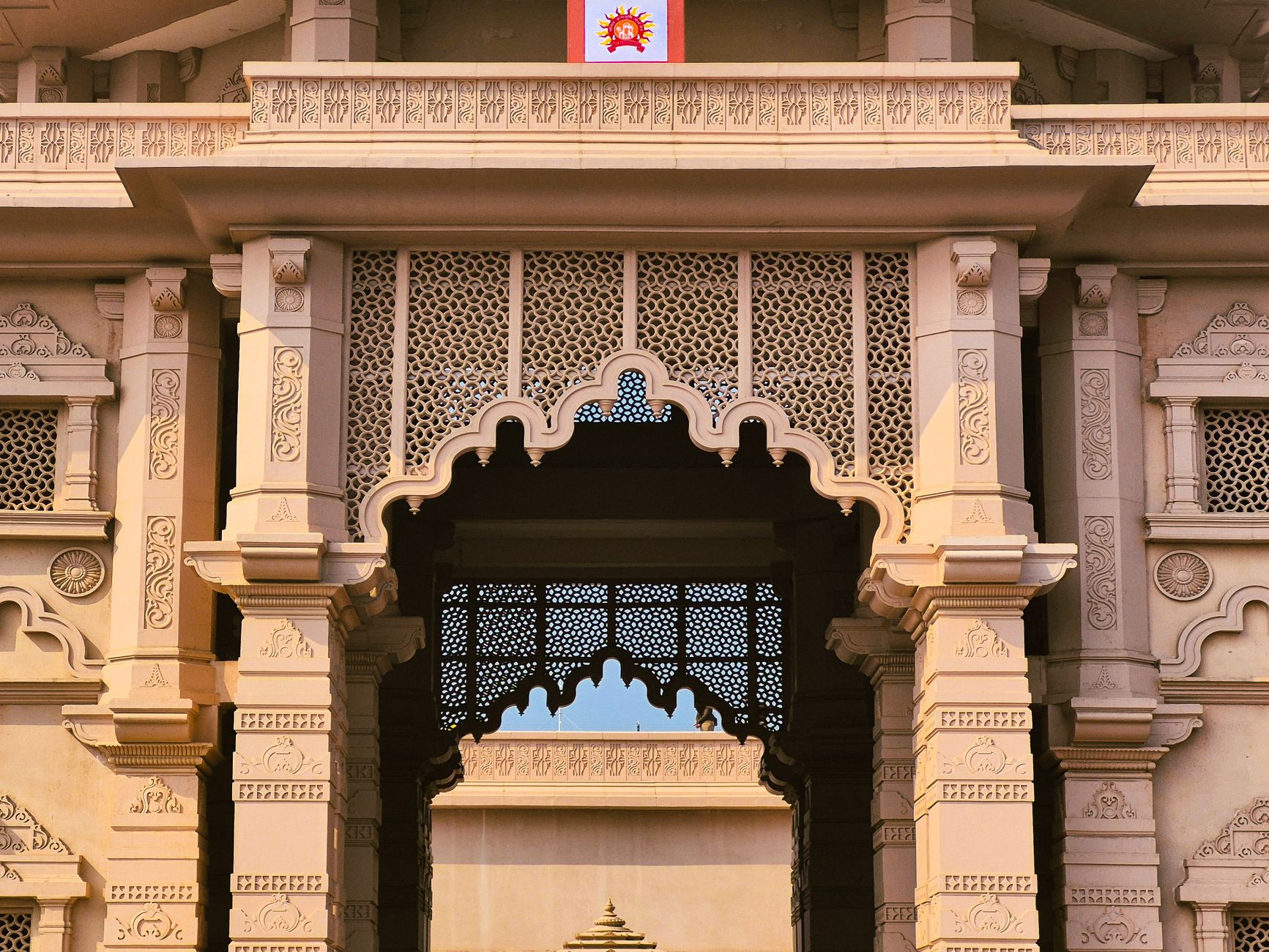
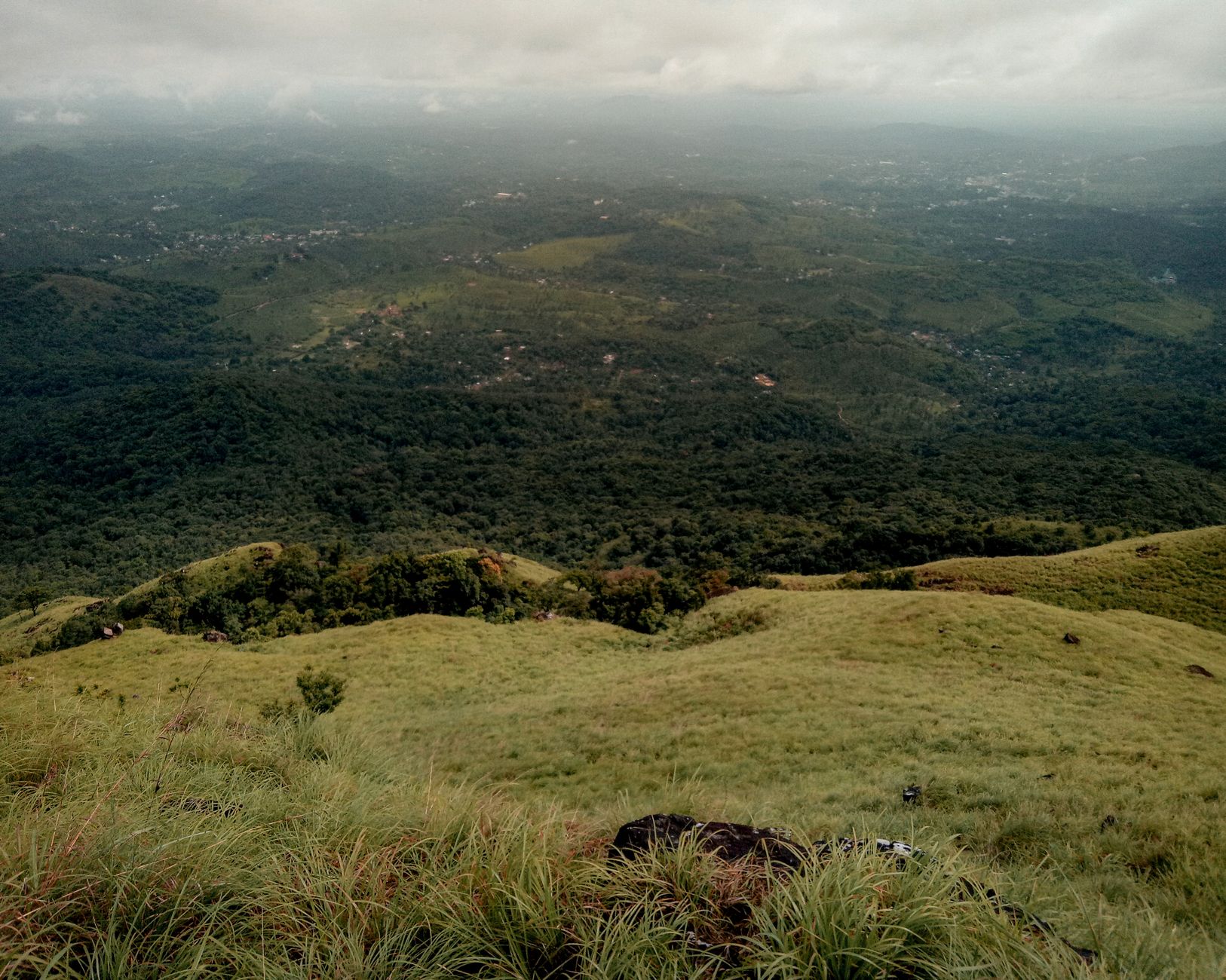
One of the twelve Jyotirlinga shrines and part of the Char Dham, reached by a steep 16 km trek and open only from late April to Kartik Purnima before Himalayan snow closes the route for winter. Pandavas are said to have built the first shrine here, seeking Shiva's forgiveness after Kurukshetra.
Further tirthas
15 shrines, ghats, caves and stepwells across the map — add the one this atlas is still missing.
Varanasi
Uttar Pradesh, on the Ganga
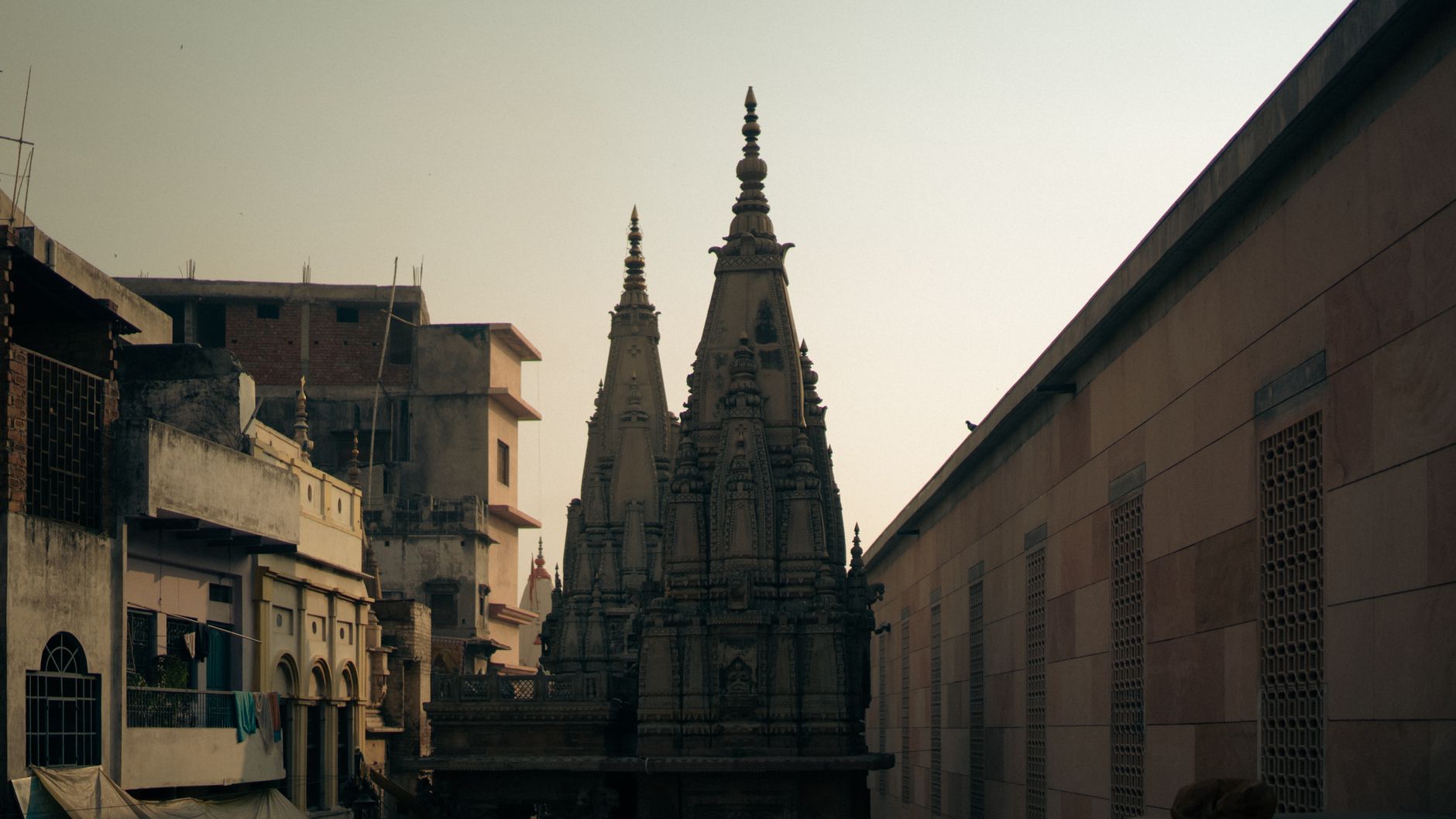
Among the oldest continuously inhabited cities on earth, and Shiva's own city — to die within its bounds is held to grant moksha. Its ghats carry both cremation and morning worship in the same water, and the Kashi Vishwanath temple stands a few lanes back from the river.
Shiva, as Vishwanath
Ambaji
Banaskantha district, Gujarat
One of the fifty-one Shakti Peethas, the sites where, in the story, a part of Sati's body fell as Shiva carried her across the sky. Ambaji's sanctum holds no idol, only a yantra — a geometric diagram — worshipped directly.
Devi, as Amba
Chandipur
Balasore district, Odisha coast
A quieter coastal temple town on the Bay of Bengal, where the sea recedes nearly five kilometres at low tide — pilgrims walk out onto the exposed bed before the water returns, a rhythm the local temple calendar has kept for generations.
Devi
Rani ki Vav
Patan, Gujarat
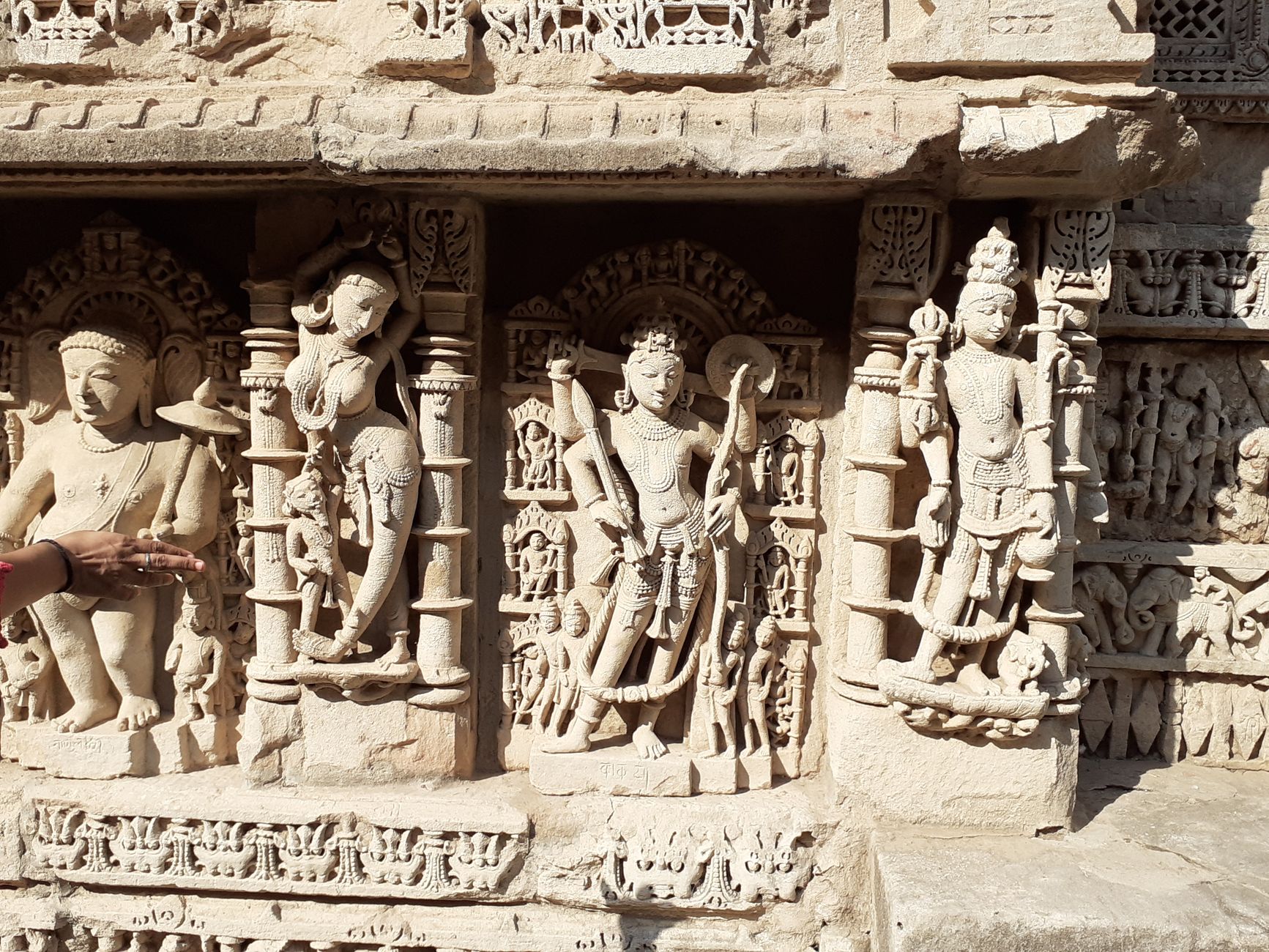
An eleventh-century stepwell built as a memorial and a sacred descent to water, its seven storeys carved with over five hundred large sculptures of Vishnu's avatars, apsaras and serpent deities — a UNESCO World Heritage site and one of India's finest surviving works of temple-grade stone carving.
Vishnu, in his ten avatars
Puri Jagannath
Puri, Odisha coast
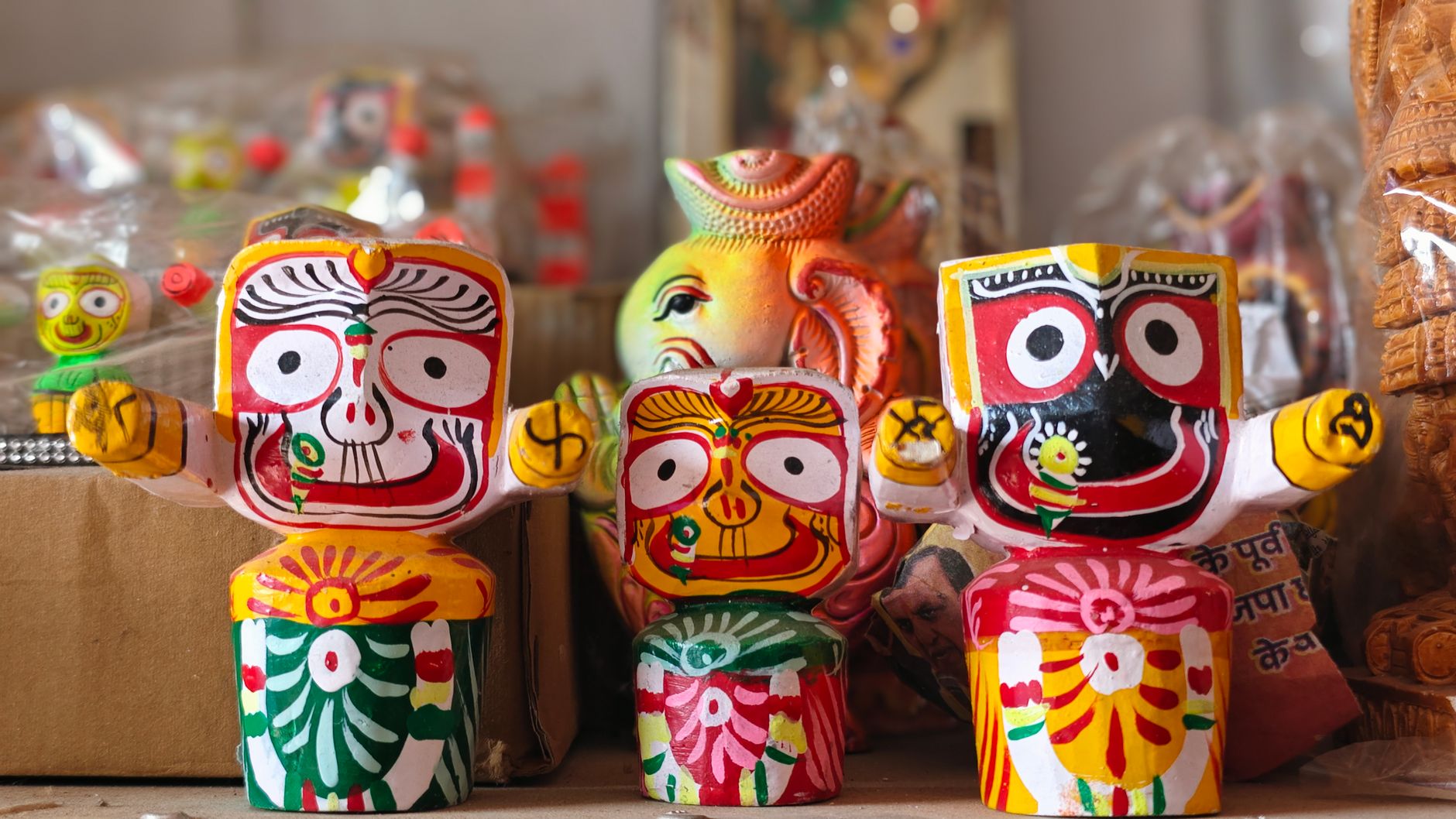
Home to the wooden images of Jagannath, Balabhadra and Subhadra, ritually replaced every twelve to nineteen years in the secret ceremony of Nabakalebara, and carried each summer through the streets in the Rath Yatra — one of the largest chariot processions on earth.
Krishna, as Jagannath
Rameswaram
Ramanathapuram district, Tamil Nadu
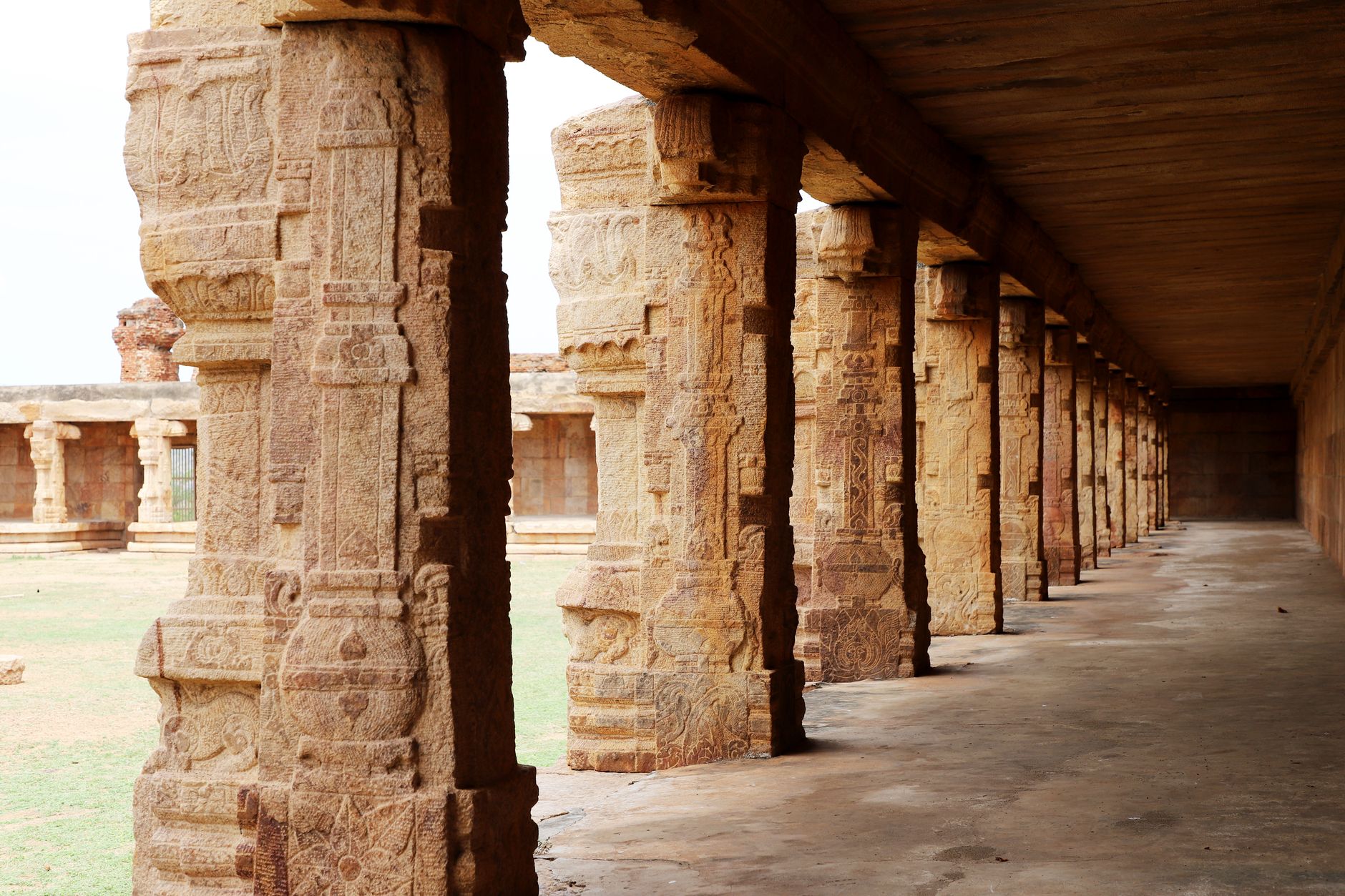
Where Rama is said to have worshipped Shiva to atone for killing Ravana, a Brahmin by birth, before crossing to Lanka. The Ramanathaswamy temple's corridor, lined with over a thousand carved pillars, is the longest of any Hindu temple in India.
Shiva, as Ramanathaswamy
Modhera Sun Temple
Mehsana district, Gujarat
An eleventh-century temple built so the sun strikes its sanctum at the equinoxes, its stepped tank (Surya Kund) surrounded by more than a hundred small shrines — one of the few major Hindu temples in India built for Surya rather than Vishnu, Shiva or the Devi.
Surya
Dwarka
Devbhoomi Dwarka district, Gujarat
The city Krishna is said to have built and ruled after leaving Mathura, and one of the Char Dham. The present Dwarkadhish temple's five-storey spire has stood for centuries above what tradition holds to be a coastline the sea has since reclaimed more than once.
Krishna, as Dwarkadhish
Tirupati
Chittoor district, Andhra Pradesh
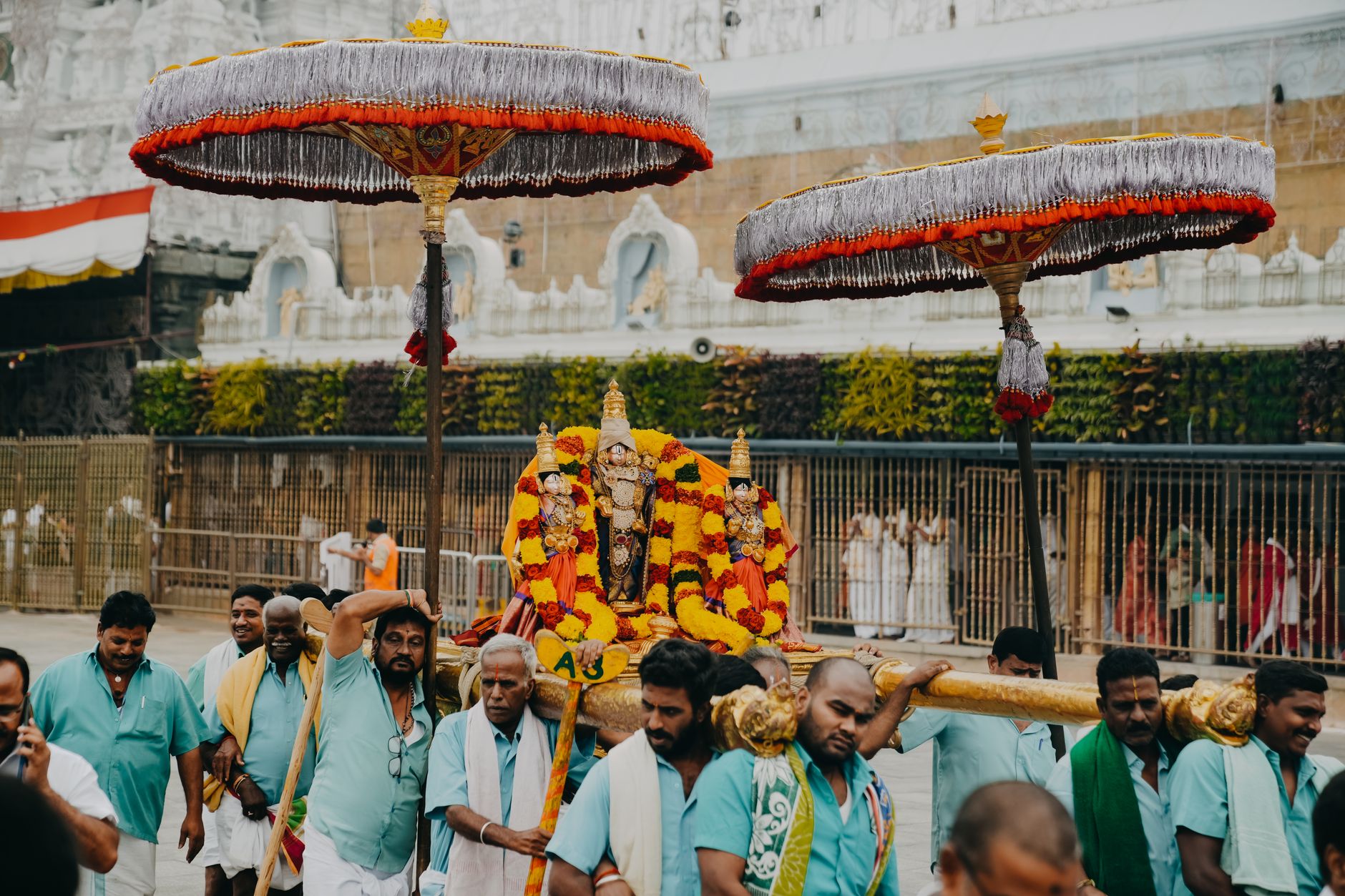
The hill shrine of Venkateswara at Tirumala is held to be the most-visited pilgrimage site on earth, drawing tens of thousands of pilgrims daily; many arrive having shaved their heads at the temple's tonsure halls as an offering.
Vishnu, as Venkateswara
Vaishno Devi
Reasi district, Jammu and Kashmir
A cave shrine in the Trikuta hills reached by a 12 km climb from Katra, where the goddess is worshipped as three natural rock formations (pindis) rather than a carved idol — among the most-visited Devi shrines in the country.
Devi, as Vaishnavi
Amarnath
Anantnag district, Jammu and Kashmir
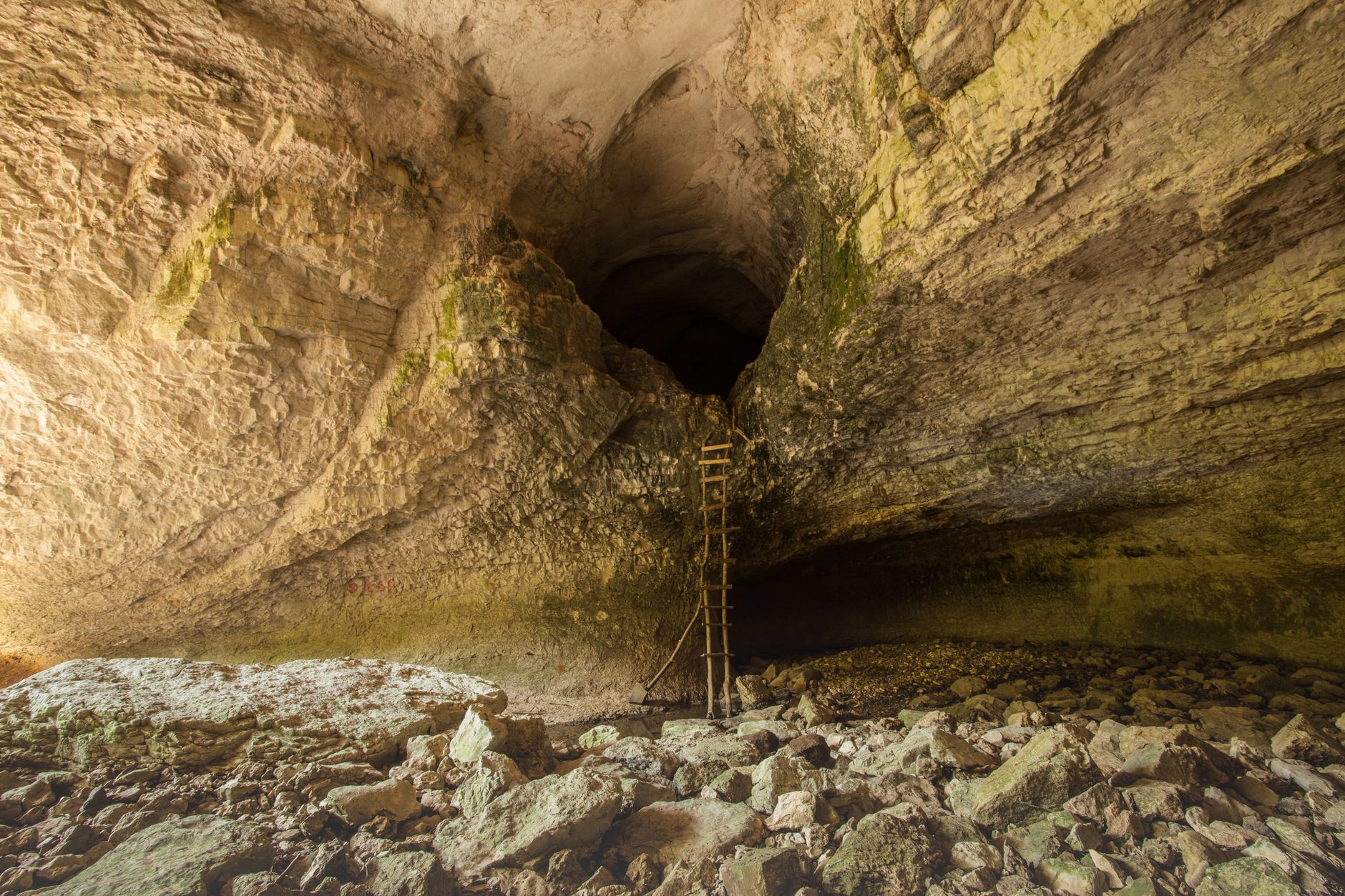
A high-altitude cave where an ice stalagmite forms each year and is worshipped as a natural Shiva lingam, reachable only during a short summer pilgrimage window (Shravani Mela) because of Himalayan snow the rest of the year.
Shiva
Badrinath
Chamoli district, Uttarakhand
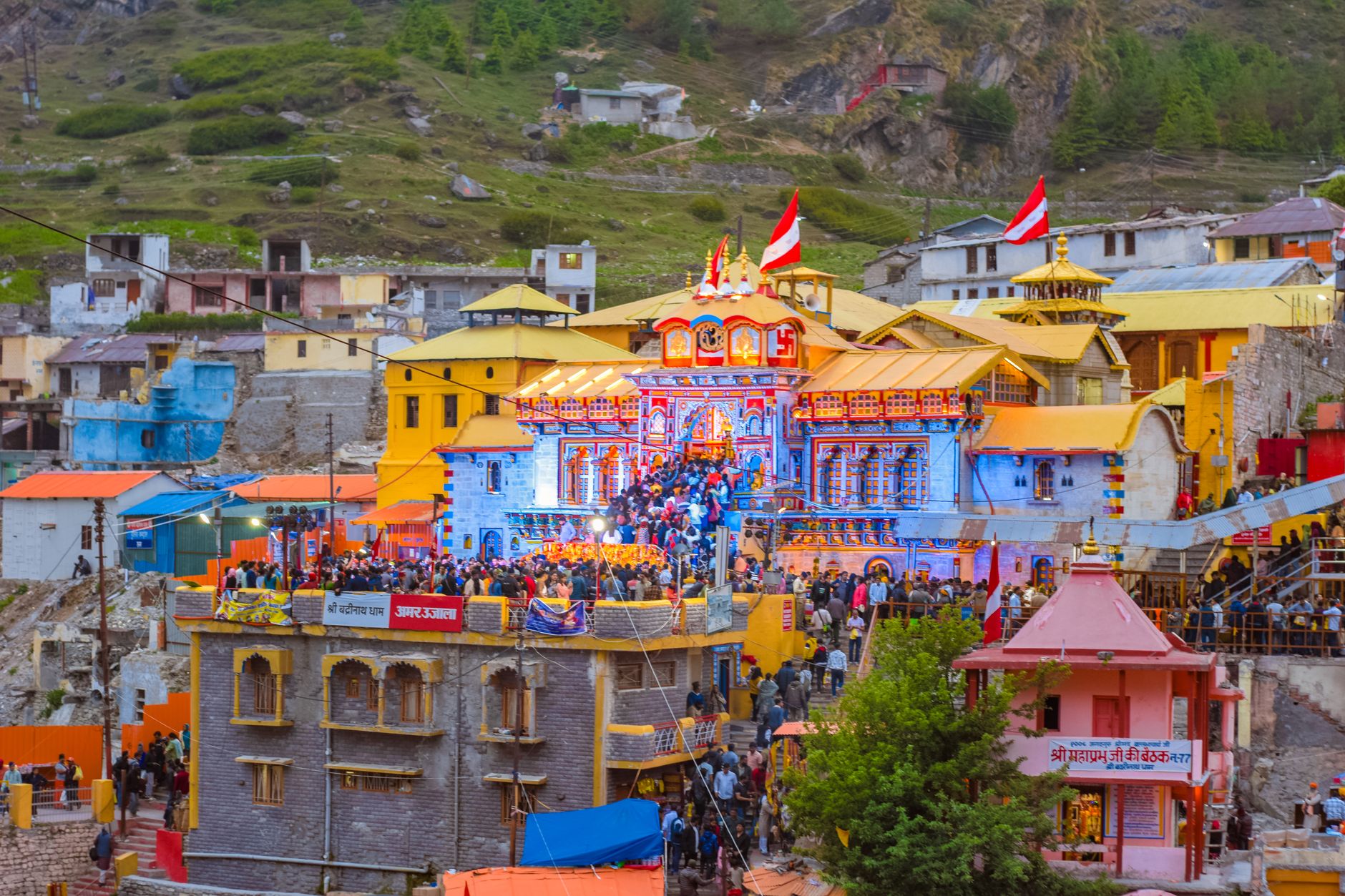
The northernmost of the Char Dham, where Vishnu is said to have meditated beneath a berry tree (badri) while Lakshmi sheltered him from the cold in the form of the tree itself — open only between April and November.
Vishnu, as Badrinarayan
Ayodhya
Uttar Pradesh, on the Sarayu
Rama's birthplace and the capital he returned to after fourteen years of exile, on the bank of the Sarayu river. The Ram Mandir, consecrated in 2024 on the disputed Ramjanmabhoomi site, has made it one of the fastest-growing pilgrimage destinations in the country.
Rama
Sabarimala
Pathanamthitta district, Kerala
A forest shrine to Ayyappa reached on foot through the Western Ghats, traditionally only after a 41-day vow of austerity (vratham); the pilgrimage season around Makar Sankranti draws one of the largest annual gatherings of pilgrims in the world.